

As we stand on the edge of a new era in gambling, the winds of change are sweeping through the UK gambling scene. We’re witnessing trends that pledge to redefine our encounters, from engaging technologies to the rise of cryptocurrencies. But what does this mean for us as gamblers? Let’s delve into the innovative trends we need to understand as we traverse the evolving terrain of casinos in 2025.
The Rise of Digital and Enhanced Reality in Gambling
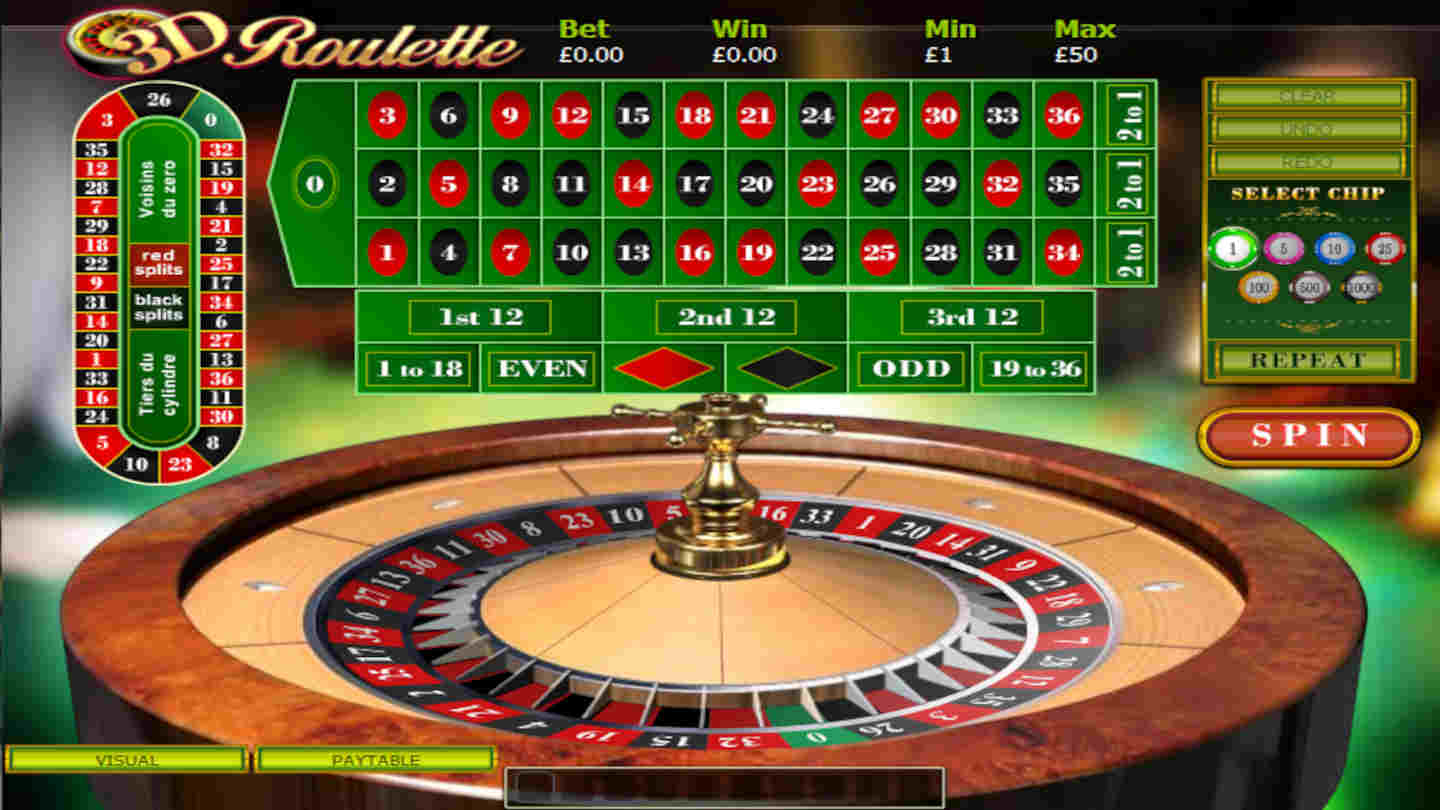
As we dive into the world of gambling, it’s hard to overlook the thrilling rise of digital and augmented reality (VR and AR) in this industry.
These technologies are crafting immersive encounters that redefine how we play our beloved games. Picture stepping into a virtual world where you can walk through a casino floor, engage with other gamblers, and even socialize with croupiers, all from the comfort of your home.
These developments enable us to experience like we’re really part of the excitement, merging the lines between the real world and the digital world.
We can sit at a digital poker table or spin a slot machine, experiencing all the sounds and visuals that make gaming thrilling.
As VR and AR technologies proceed to advance, we can anticipate even more captivating and lifelike experiences that enhance our enjoyment of gaming.
The future looks bright for all of us gamblers!
Digital Currency and Blockchain Transforming Transactions
With technology reshaping our gambling experiences, another significant change is taking place in the world of transactions through digital currency and blockchain. Many of us are finding the advantages of using digital currency wallets, which allow for quick and safe payments. This means we can quickly deposit and withdraw funds without waiting on traditional banking processes.
Blockchain technology improves our transactions with its robust security features, ensuring our data and funds remain safe. By using decentralized ledgers, we’re not only able to experience increased transparency but also protect against fraud and unauthorized access.
These developments make us feel more confident when wagering or playing online. As more casinos adopt this digital wave, we’re likely to see greater accessibility and lower transaction fees, permitting us to focus on what truly matters: enjoying our gaming sessions.
Together, we’re observing a transformative era in how we transact in the casino world.
Personalized Gaming Experiences Through AI
Personalization is revolutionizing our gaming experiences, making them more engaging and customized to our preferences. With the power of AI algorithms, casinos are now able to examine player insights, enabling them to understand our habits and desires better than ever before.
This means we’re not just playing games; we’re having experiences crafted just for us. Imagine logging in and being welcomed with game suggestions based on our previous activities or receiving bonuses that align perfectly with our interests.
These tailored experiences enhance our enjoyment and increase our chances of finding new favorites. AI analyzes user preferences, helping casinos modify their offerings in real time, ensuring we’re always met with options that resonate with us.
As we navigate this new era of personalized gaming, we can expect even more advanced features that make our time at the casino feel uniquely ours, transforming standard gameplay into a remarkable adventure.
The Impact of Mobile Gaming Trends
In our increasingly mobile-centric world, the rise of mobile gaming trends has significantly transformed how we experience casino entertainment. As players, we’ve welcomed mobile betting for its convenience, allowing us to access our favorite games where we are.
This transition has led to a increase in cutting-edge apps that enhance our user experience, book casino partners, making it more engaging and interactive than ever before. Mobile gaming also brings about a more tailored approach; many platforms now tailor games to our tastes, ensuring that every session feels unique.
The effortless integration of payment methods and enhanced graphics keeps us engaged, encouraging prolonged play and deeper participation. Moreover, these developments are pushing developers to continuously refine their products, ensuring that we always have a new experience at our fingertips.
Evolving Regulations and Safe Gambling Practices
As we welcome mobile gaming and its ease, it’s important to stay informed about the developing regulations that regulate the online casino landscape.

Regulatory compliance has become a top focus for operators, ensuring they run within the standards set forth by regulatory bodies. This is vital for promoting safe gambling practices, safeguarding us as players.
We need to be aware that these regulations are regularly changing to address emerging technologies and trends.
Familiarizing ourselves with the latest rules means we can participate in a more secure gaming environment and make wise choices.
Choosing certified sites is important, as they adhere to strict standards, including tools for safe gambling like deposit limits and self-exclusion options.
As regulations evolve, so should our strategy to gaming, balancing our love for excitement with wise, responsible practices.
Let’s stay aware and gamble safely, making the most of our gaming experiences in this fluid landscape.
Frequently Asked Questions
What Are the Best Online Casinos in the UK for 2025?
What if we told you that 2025 could usher in a new era for online casinos in the UK?
We’re excited to explore the top options, influenced by new technologies and player preferences that define our experience.

With improvements in game design and enhanced security measures, the excitement is palpable.
Let’s keep our eyes peeled for platforms that offer unique features and user-friendly interfaces; they’re bound to enhance our online gaming adventures!
How Do I Choose a Trustworthy Online Casino?
When choosing a reputable online casino, we suggest checking for appropriate casino licensing to ensure it’s regulated and safe.
It’s crucial to read player reviews, as they offer insights into actual experiences and can point out any possible issues.
We should always seek casinos that offer clarity in their operations and have favorable feedback from the player community.
It’s about conducting research to make educated choices that enhance our gaming experience.
Are Live Dealer Games Safer Than Traditional Online Games?
We often wonder if live dealer games are safer than traditional online games.
Picture this: we’re engaging with a real dealer, face-to-face, while enjoying the thrill of a casino atmosphere. That connection brings live dealer advantages, enhancing transparency.
In contrast, traditional game risks can include concerns about equity and accuracy. While no game is completely risk-free, the immersive nature of live games might just make them feel like a more secure bet for us.
What Are the Top Casino Games in 2025?
When we look at the most popular casino games in 2025, virtual slot machines are topping the charts.
They’ve captured our interest with their colorful graphics and immersive gameplay.
Moreover, augmented reality poker is gaining popularity, enabling us to enjoy a live atmosphere from the comfort of our homes.
Both alternatives provide a unique blend of fun and thrill, catering to different preferences and ensuring that each of us can find something we really appreciate.
How Can I Efficiently Manage My Gambling Budget?
When it comes to managing our gambling budget, it’s important we begin with a touch of intrigue—how much are we actually willing to risk?
Before beginning, let’s adopt budget allocation. We should set clear limits for each gaming session, guaranteeing we never go past what we’ve decided.
Additionally, expense tracking enables us to know where our money’s going. By mixing adventure with care, we can maximize our fun while keeping our finances in check.



Sorry, comments are closed for this post.