

Debunking common myths about gambling What you really need to know
Understanding the Odds
One of the most persistent myths about gambling is that some games are «due» for a win or loss. Many players believe that because a particular game hasn’t paid out in a while, it’s statistically more likely to do so soon. This notion, often referred to as the gambler’s fallacy, overlooks the critical fact that each game is independent. For instance, in a game of roulette, the chances of landing on red remain constant, regardless of previous outcomes. Additionally, some players may choose to visit places like the Crazy Tower casino, thinking they can alter their luck through sheer will, which is a common misbelief.
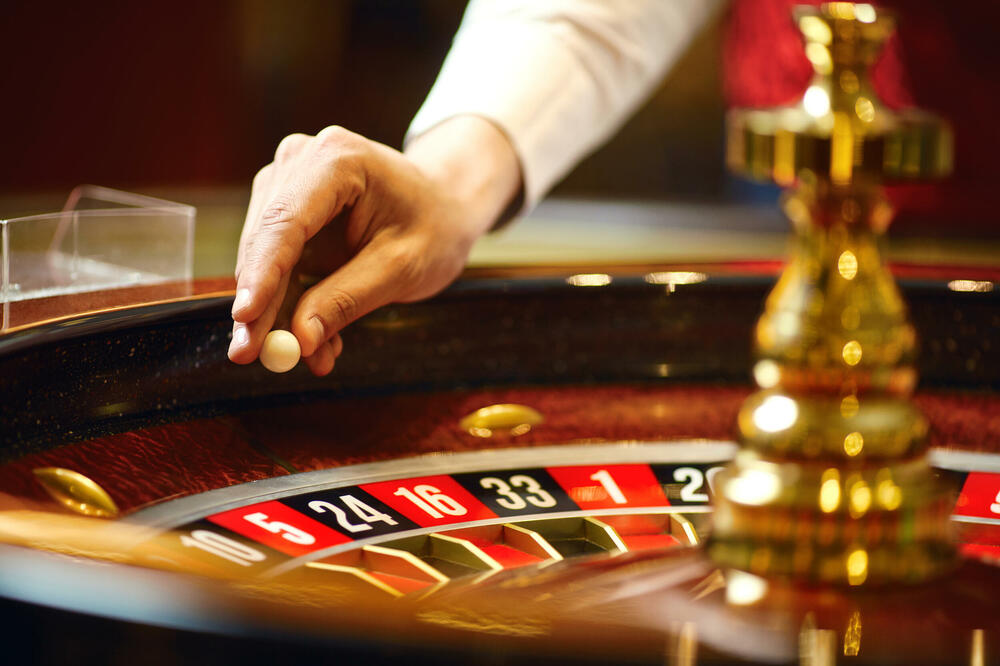
This misunderstanding can lead players to make poor betting decisions, driven by emotion rather than logic. The reality is that casinos are designed to ensure the house always has the edge. Understanding how odds work can significantly influence a player’s approach to gambling. When players realize that outcomes are random and based on probability, they can make more informed choices, thereby enhancing their overall experience.
Moreover, many gamblers fail to recognize that games of chance, such as slots or roulette, don’t offer a way to predict future results based on past performance. This ignorance can lead to frustration and financial loss. A better strategy would be to engage with games that fit personal budgets and preferences, rather than chasing unrealistic expectations about odds and outcomes.
The Role of Skill in Gambling
Another common myth is that gambling is purely a game of luck, with no room for skill or strategy. While it is true that games like slots rely heavily on chance, other games such as poker or blackjack do involve an element of skill. In poker, for instance, players must be adept at reading their opponents and employing strategies based on the current state of play. Understanding this distinction is vital for anyone looking to improve their gambling performance.
Skill-based games allow for a deeper level of engagement and strategy. Experienced players often understand the nuances of their chosen games, which can lead to more favorable outcomes over time. For example, in blackjack, players can employ strategies like card counting to gain an advantage. This differentiation can alter the perception of gambling from mere chance to a blend of luck and skill, providing players with more control over their betting experiences.
Recognizing the balance between luck and skill can help demystify the gambling experience. Those who understand how to leverage their skills may find more satisfaction and potentially greater success at the tables. Investing time in learning the intricacies of a game can transform gambling from a pastime into a rewarding venture.
The Illusion of ‘Hot’ and ‘Cold’ Streaks
Many gamblers fall victim to the myth that games can experience «hot» or «cold» streaks, leading them to believe that certain tables or machines are temporarily more favorable. This misconception often drives players to chase perceived winning opportunities or avoid losing ones. In reality, every outcome in a game of chance is unaffected by previous results. Each spin of a slot machine or shuffle of cards is an independent event.
This belief can create a false sense of security or urgency, causing players to make irrational betting decisions based on emotion rather than logic. For example, a player might think that a slot machine that hasn’t paid out in a while is «due,» leading to excessive betting on that machine. Understanding that these streaks are merely illusions can help gamblers adopt a more rational approach, focusing on setting limits and playing for enjoyment rather than chasing losses.
By recognizing the fallacy of hot and cold streaks, gamblers can mitigate the emotional rollercoaster that often accompanies gaming. This mindset fosters healthier gambling habits, allowing individuals to appreciate the thrill of the game without becoming overly invested in outcomes. A more rational approach enables players to enjoy their experience, keeping the focus on entertainment rather than financial gain.
The Impact of Gambling on Mental Health
Contrary to the belief that gambling is always a harmless recreational activity, it can have serious implications for mental health. The thrill of winning can lead to a rush of dopamine, creating a sense of euphoria. However, when the stakes are high, the potential for addiction and its associated mental health issues increases significantly. This addiction can lead to anxiety, depression, and a myriad of other psychological issues.
Recognizing the signs of gambling addiction is crucial for maintaining mental health. Many individuals may initially view gambling as an exciting escape but may find themselves trapped in a cycle of chasing losses. This behavior can severely impact personal relationships and financial stability. Understanding the psychological effects of gambling can lead to healthier choices and foster a more balanced relationship with gaming.
It’s essential to approach gambling with an awareness of its potential mental health impacts. By doing so, players can establish boundaries and seek help when necessary. Creating a supportive environment, whether through support groups or professional therapy, can significantly mitigate the adverse effects of gambling while allowing individuals to enjoy the entertainment aspects responsibly.

Website Overview and Disclaimer
This article serves as a guide to help dispel common myths about gambling, emphasizing the importance of understanding odds, skill, and mental health impacts. While it aims to provide valuable insights, it’s essential to acknowledge that responsible gambling practices should always be prioritized. The content herein is designed to educate and inform, not to encourage irresponsible gambling behavior.
Visitors are encouraged to approach gambling as a form of entertainment rather than a way to make money. By fostering a balanced perspective and understanding the realities of gambling, individuals can enhance their gaming experiences. Always seek professional help if gambling becomes a source of distress, and remember to gamble responsibly.



Sorry, comments are closed for this post.