

The Environment’s Influence
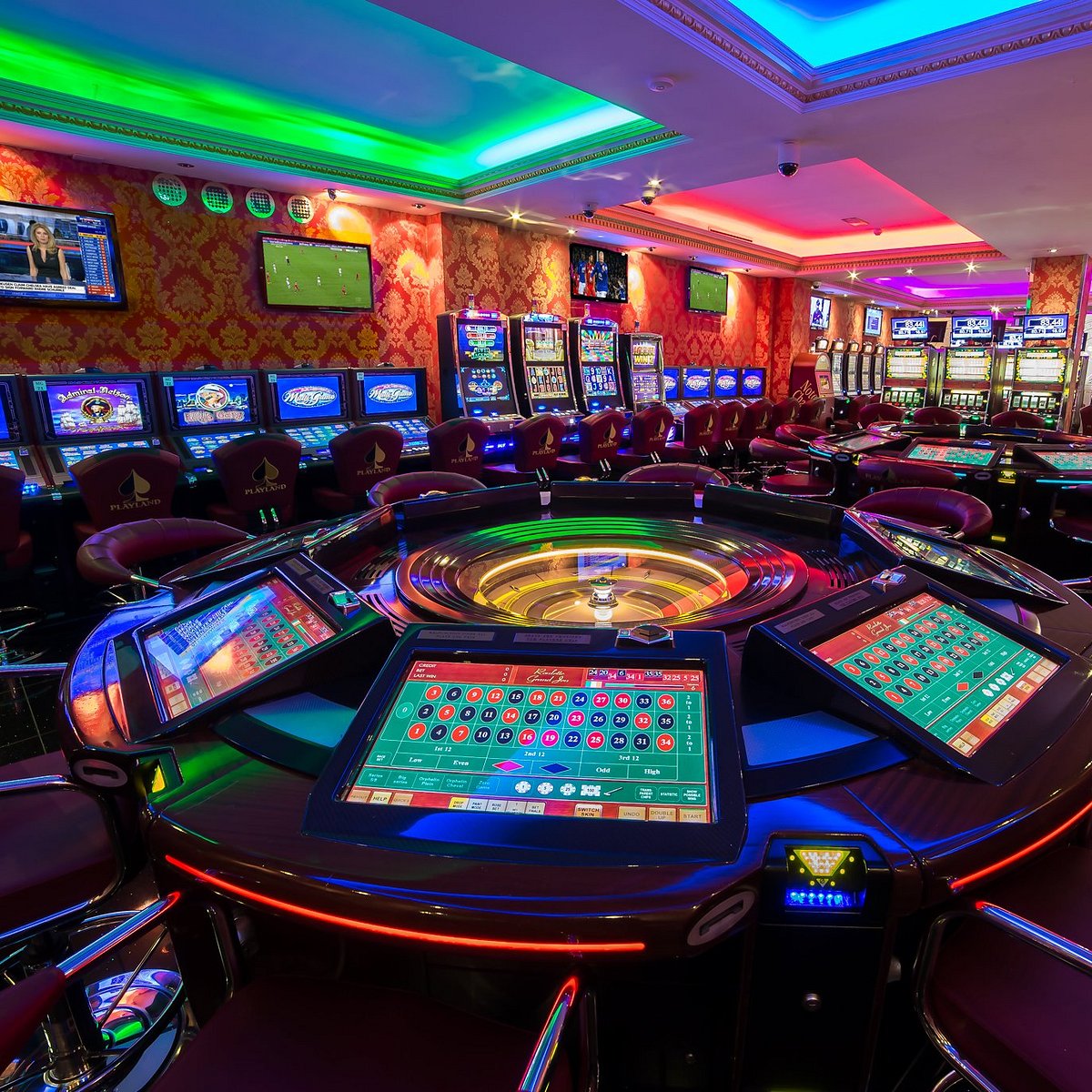
Casinos are meticulously designed to create an immersive environment that keeps players engaged. The lighting, colors, and sounds all play a significant role in influencing behavior. Bright lights and vibrant colors stimulate excitement and attract attention, while the sounds of coins falling and slot machines winning create an auditory atmosphere that enhances the gaming experience. This sensory overload is intentional, as it encourages players to lose track of time and remain in the casino longer. Many enthusiasts often seek out the best betting sites not on gamstop to explore new options beyond traditional environments.

Additionally, the layout of casino floors is strategically planned to guide players through various gaming areas. By placing popular games near entrances, casinos capitalize on initial curiosity, drawing players into the experience. Once inside, the arrangement of tables and machines is designed to encourage movement and exploration, keeping players engaged with the various options available.
Reward Systems and Reinforcement
Psychological principles of reward systems play an essential role in casino operations. Games are designed with intermittent rewards, meaning that players receive payouts unpredictably. This unpredictability heightens excitement and creates a sense of anticipation, leading to increased time spent playing. The reinforcement schedule effectively trains players to return for the possibility of winning, often leading to longer gaming sessions.
The use of loyalty programs further intensifies this effect. By offering players rewards for their continued patronage, casinos capitalize on the psychological desire for recognition and reward. Players are often more willing to spend time and money to achieve higher tiers in these programs, reinforcing their commitment to the casino and its offerings.
The Role of Losses in Gambling Behavior
Interestingly, casinos also leverage the psychology of loss to keep players engaged. The phenomenon known as «loss aversion» suggests that people feel the pain of losses more acutely than the pleasure of equivalent gains. Casinos capitalize on this by creating games that allow players to experience small wins amidst larger losses; this gives a fleeting sense of victory while keeping them in the game longer.
By providing these small wins, casinos maintain player motivation and create a false hope of eventual success. This may lead players to continue gambling, believing they can recover losses if they keep playing. The psychological thrill of potentially overcoming the odds keeps players returning for more, despite the statistical reality.
The Social Aspect of Gambling
Another psychological factor at play in casinos is the social environment. Gambling often takes place in groups or alongside other players, which can amplify the excitement and enjoyment of the experience. The presence of other players can evoke feelings of camaraderie and competition, encouraging individuals to join in and extend their time at the casino.
Social media and peer influence also play a role in modern gambling. With the rise of online casinos and gaming, players can share their experiences and wins with friends, creating a community that fosters ongoing participation. This social validation can encourage others to try their luck, keeping the cycle of gambling alive and thriving.
Voice4Change England and Community Engagement
While the focus of this article is on casinos, organizations like Voice4Change England are also significant in understanding how communities can engage with social issues. By amplifying the voices of young people and encouraging dialogue, such platforms facilitate discussions around the impact of gambling and its psychological effects on individuals and communities.
Through advocacy and community initiatives, Voice4Change England empowers youth to share their insights, fostering awareness about the psychological manipulations present in various environments, including casinos. By educating and engaging the community, they contribute to informed decision-making and support for those affected by gambling behaviors.


Sorry, comments are closed for this post.